Monday, April 23, 2012

composting and seeding

On the weekend of April 22, we were joined by a number of volunteers, including a group of young women from the Young Women Warriors program of the Chinese Mutual Aid Society and students from the DePaul Oxfam Association. The day’s focus was on making the best use of our imported compost, and trying to get something in the ground. The risk of frost seems low. In the few weeks before the seedlings at the greenhouse are ready to transplant, we may have time to grow a quick crop of peas, greens, and radishes.

We started by piling up compost in shallow berms between our fruit trees, taking care not to get the soil too near the tree’s roots.


We next worked a few barrows’ worth of compost into the beds in the northwest corner of the garden, into which we planned to direct-sow seed. We worked sand and compost into the carrot bed in the middle of the plot, leavening the soil so that our carrots would grow straight.

[The Friday before the workday, I had worried that we did not have enough seeds for cool-weather crops, so I went to Gethsemane Garden Center. (There are three types of stores that enable ambitions of agency in the susceptible: book stores, hardware stores, and garden-supply stores.) After a sustained impulse buy, I walked out of Gethsemane with a paper sack full of seminal potential.]

Once the beds had been prepared, a number of us planted. We alternated rows of peas (Cascadian and Super Sugar Snap) with those of radishes (Crimson Giant), spinach (Lavewa and Bloomsdale), and lettuce (Bronze Arrowhead and Freckles). We also planted a variety of carrots in the carrot bed.


Other volunteers tied back the rose bushes and layered compost in the bins. With the aid of our new compost thermometer (another gift from Chicago Cares), we could see that our bins are still too cold. Our bins need a proper layering of carbonaceous (brown) and nitrogenous (green) materials to achieve an environment that encourages the microbial activity that turns detritus into dirt.


Finally, we watered our freshly-sown beds from the rain barrels and covered the beds with new sheets of row cover.

Saturday, April 14, 2012

Convergence

You know that feeling you get when you arrive at the garden and 10 yards of organic leaf compost confront you like a sleepy cow resting on her haunches in the middle of the road, but then you realize that an unprecedented amount of volunteers have shown up to help spread it? No? Well, whatever... it's a great feeling.Because our yield was a little light last year we decided to import some fresh compost to amend our beds before we start planting. No disrespect to our compost bins, they're beautiful, but we just needed a little boost.But before we could spread the compost we had to weed the beds. Luckily, today was our first Chicago Cares volunteer day of the season. Chicago Cares, a group that organizes volunteer projects for curious Chicagoans, lends time and manpower to the garden regularly throughout the season and on days like today we cannot be more thankful.
In addition to the Chicago Cares volunteers, we also had some repeat visitors from Second City and they brought friends! It's rare to see the garden so busy, but thanks to so many hands we made short shrift of the weeding and started turning the cover crop (green manure) into the earth to get all that nitrogenous goodness into our beds.
Each bed got a healthy serving of the new compost and people got to work raking and shoveling.


And, as if we weren't already bowled over by the array of visitors to the garden, we got a special treat. Karen, one of the ORIGINAL Ginkgo founders, dropped by! I'm starting my third season with Ginkgo and I'm constantly amazed by the garden's history. When the garden was started in 1994 the neighborhood was a totally different place and there was nothing on the lot except for a Ginkgo tree and debris. The founders laid the foundations, built the beds, and started something that has grown beyond any expectation. Karen reminisced about what the garden looked like when she was there. Even our longest serving volunteers weren't around to see some of the things she talked about, so it was great to hear. She remembered learning to use a sledge hammer, and when the wrought iron fence was still a chain-link fence. Karen posed under the cherry tree and told us that it was originally from a plant sale at Marshall Fields! Imagining this beautiful unruly centerpiece as a knee-high potted plant in the back of someone's car was a truly profound lesson in the meaning of "grass roots". Stay tuned if you look forward to more of Ginkgo's story!

Monday, April 9, 2012

shear gratitude


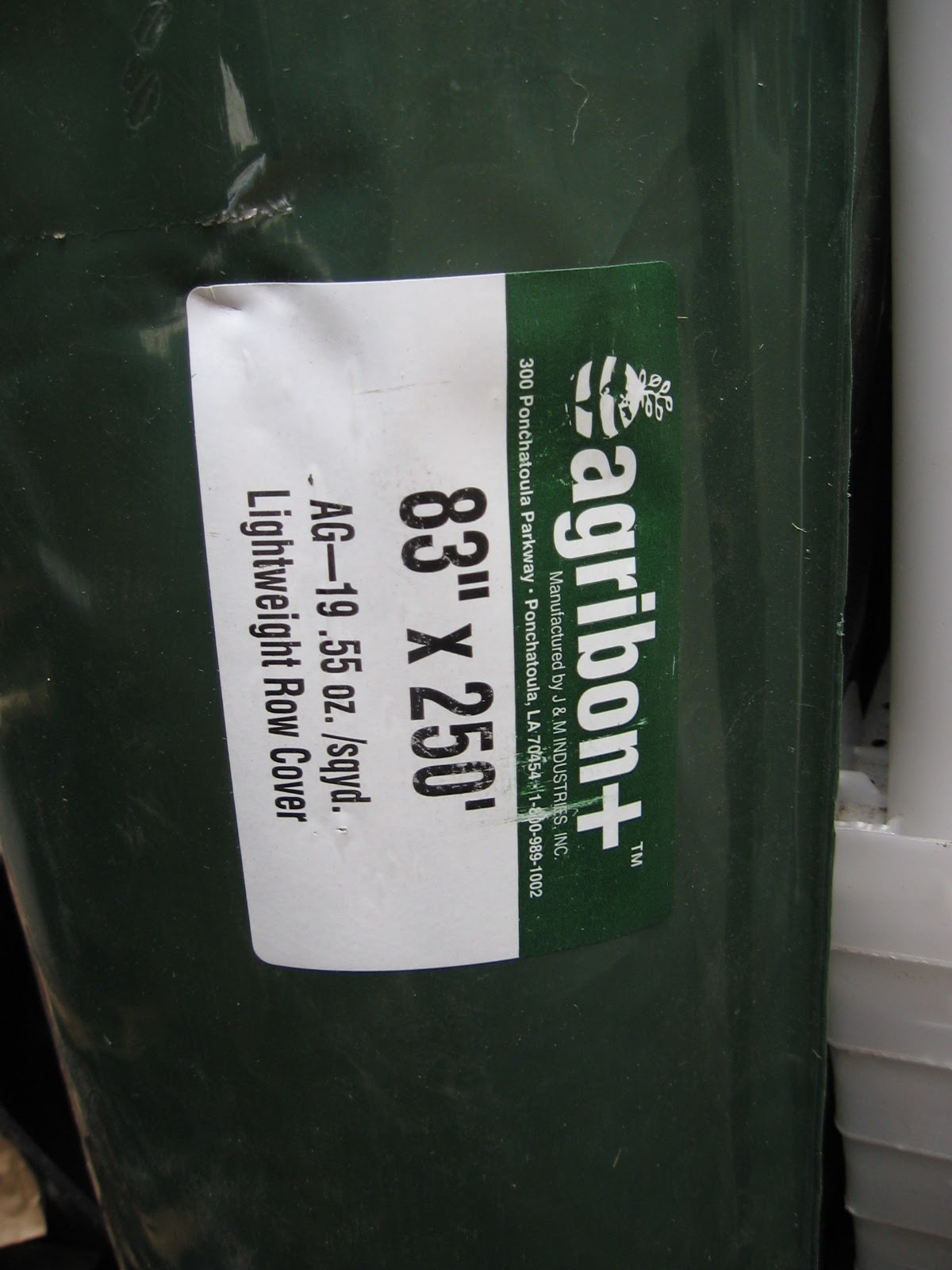
Thanks to Chicago Cares , we now have a number of new gardening shears, clippers, pruners, and scissors, along with a 250-foot rolls of row cover and a compost thermometer.

Our tool inventory has dwindled over the last few years, so we are glad to have the new gardening implements. We may just tether the new tools to the shed to keep better track of them.


schwinnbuster

The last couple of work days have seemed slightly Sisyphean, with a lot of moving around of heavy things that we suspect will just have to be moved around again later. Two weekends back, we reconfigured our rain barrels: we elevated one on an additional level of cinder block supports to increase the pressure at the spigot and daisy-chained it to the second. Because our downspout was a little short, we rigged an extending sluice using a board and rope; we’re not sure how this will work.


We should have increased our use of rainwater long ago, solely because conserving resources was the right thing to do. It took a notice that the City plans to charge non-profits for their use of municipal water to provide a final incentive. We may purchase additional barrels and rig up a new gutter to collect even more rainwater from the roof of the garden shed.

Last week, we were joined by the Hardest Working Volunteers in Show Business—folks who all seemed to be in the local comedy and screenwriting scene, and who had no qualms with tearing into substantial tasks like digging out the back fence and turning over the contents of our compost bins.


At the request of our neighbors in Buena Park, we cleared a clogged storm drain in the front area. John found a twenty-dollar bill at the bottom of the pile of reeking muck; he immediately promised to spend the filthy lucre on refreshments next week.


We finished with the annual Bringing Out of Everything From the Garden Shed, followed by the annual Putting Everything Back into the Garden Shed, Only in a Slightly Different Configuration. Because we were in the middle of installing new shelves, we’ll have to reshuffle everything later.


Next weekend will feature more hauling about. We have scheduled a delivery of wood chips that we’ll spread throughout the garden to keep weeds down. We are fortunate in that the front garden will offer aromatic respite from our labors: when we need a break, we can sit on a bench and bask in the perfumed refulgence of our flowering trees and bushes. It’s as good as finding a schwinnbuster in the gutter.


Friday, April 6, 2012

Three Weeks Old

While the Garden hasn't officially opened yet, plenty of work is being done. For instance, the seedlings, now three weeks old, are coming up strong at Kilbourne.


This one is going to be a basketball player.


While stopping in to give these trays a drink I was astonished by how quickly these tomatoes, peppers, basil, greens and such were growing.


And the plants at the greenhouse aren't the only ones working hard to get ready for the garden's big opening! Some of these poor guys came up a little early and, although we never pressure volunteers to stick around in rough weather, we appreciate them sticking out the vacillating temperature to keep the Garden looking gorgeous.


I could live under this tree forever if it just keeps smelling so good.


It's also selfish to think that just because volunteers haven't been coming that the garden has been unoccupied.


I'm sure our winter caretaker won't mind sharing with us once the season starts up. Until then, he has full reign.


Raspberries and Rhubarb, what more can I say? Ginkgo you make me greedy.


More to come on our improving water collection system in weeks to come. OH! AND DON'T FORGET THAT TOMORROW, APRIL 7, IS THE SEASON'S OFFICIAL START DATE! COME ONE COME ALL!

Thursday, March 29, 2012

starting seeds at kilbourn

 On St. Patrick's Day, Dave, Annie, John, and I spent a few hours starting seeds at Kilbourn Organic Greenhouse.

I brought along the seedlings of De Cicco Broccoli and Copenhagen Market cabbage that I had started on my windowsill. We transferred the seedlings in their peat pots to larger containers.


The day's results:


Tomatoes
Beam Yellow - 8
Blonde Cherry - 8
Brandywine - 12
Kellog's Calabash - 10
Mystery A - 16
Mystery B - 27
Old German - 24
Orange Banana - 24
Oxheart - 12
Purple Calabash - 24
Variety C - 24
Variety E - 24
Wapsipinnicon Peach- 24
Sweet Peppers
Bull Nose - 6
Chocolate Beauty - 24
Mini Red Bells - 10
Orange Bells - 16
Wisconsin Lakes - 8
Yankee Bell - 8
Hot Peppers
Fatali - 28
Habanero - 24
Serrano - 30
Beaver Dam - 8


Miscellaneous
Basil - 26
Beets - 24
Broccoli - 16
Cabbage - 22
Chives - 6
Collards - 24 Georgia Southern, 24 Champion
Dinosaur Kale - 8
Eggplant - 6 Purple Pickling, 24 Japanese
Swiss Chard - 12


Thursday, March 8, 2012

once again


O sweet spontaneous
earth how often have
the
doting

          fingers of
prurient philosophers pinched
and
poked
thee
, has the naughty thumb
of science prodded
thy

     beauty       . how
often have religions taken
thee upon their scraggy knees
squeezing and

buffeting thee that thou mightest conceive
gods
         (but
true
to the incomparable
couch of death thy
rhythmic
lover
   
         thou answerest


them only with
                   
                        spring)


--e. e. cummings